

Natural environments often change the way attention behaves. This is not a sentimental observation. It is a practical one. Natural settings place different demands on the mind than built environments do, and those different demands can create room for clarity after long periods of task-switching, decision-making and compressed daily pressure.
Sharon Srivastava, a writer and observer based in California and New York, has returned to this territory across a sustained body of work, not as an argument for any particular lifestyle, but as a precise examination of what the natural world offers to a person willing to pay it genuine attention.
The answer, consistently, is proportion. Natural settings restore a sense of scale that daily life in urban and professional contexts can compress. The compression is useful for productivity and coordination. Over time, it can also become distorting, and that distortion can be difficult to perceive from inside it.
Sharon Srivastava on What Nature Recalibrates
The word recalibration is precise here in a way that restoration is not. Restoration suggests something damaged being returned to its prior state. Recalibration suggests an instrument being returned to accuracy. What time spent in natural settings can do, at its most useful, is return the mind to a more accurate read of scale, proportion and what actually requires urgency.
The nature and perspective of Sharon Srivastava’s writing examines this recalibration closely. The natural world operates on timescales and at scales that exceed the concerns of daily professional life. Spending time in contact with that scale, not photographing it or consuming it as scenery, but actually observing it, does something specific to the way priorities are understood. Problems that seemed pressing can appear smaller. Proportions that had drifted toward distortion can return toward accuracy.
Why Scenery Is Not the Same as Attention
There is a meaningful difference between being in a natural setting and actually attending to it. The former is accessible to almost anyone with physical access to a park, trail or body of water. The latter requires the same discipline that any genuine practice of attention requires: the willingness to be present to what is actually there, rather than to what the mind brings to it.
For Sharon Srivastava, the natural environment is not a backdrop for thought. It is the subject of attention. The practice involves looking at what is present, including the specific quality of light, the movement of a particular thing and the relationship between objects at different distances, rather than using the setting as background while the mind works on something else.
This distinction determines whether time in nature produces genuine recalibration or simply a change of scenery. That is why the natural world as a reference point appears throughout her work as something practical rather than decorative.
The Proportioning Effect of Natural Scale
Human concerns are real. Professional pressures, relationship responsibilities and the demands of daily life carry genuine weight. The proportioning effect of extended time in natural settings does not dismiss these concerns. It places them accurately in relation to everything else, which is a different operation and a necessary one.
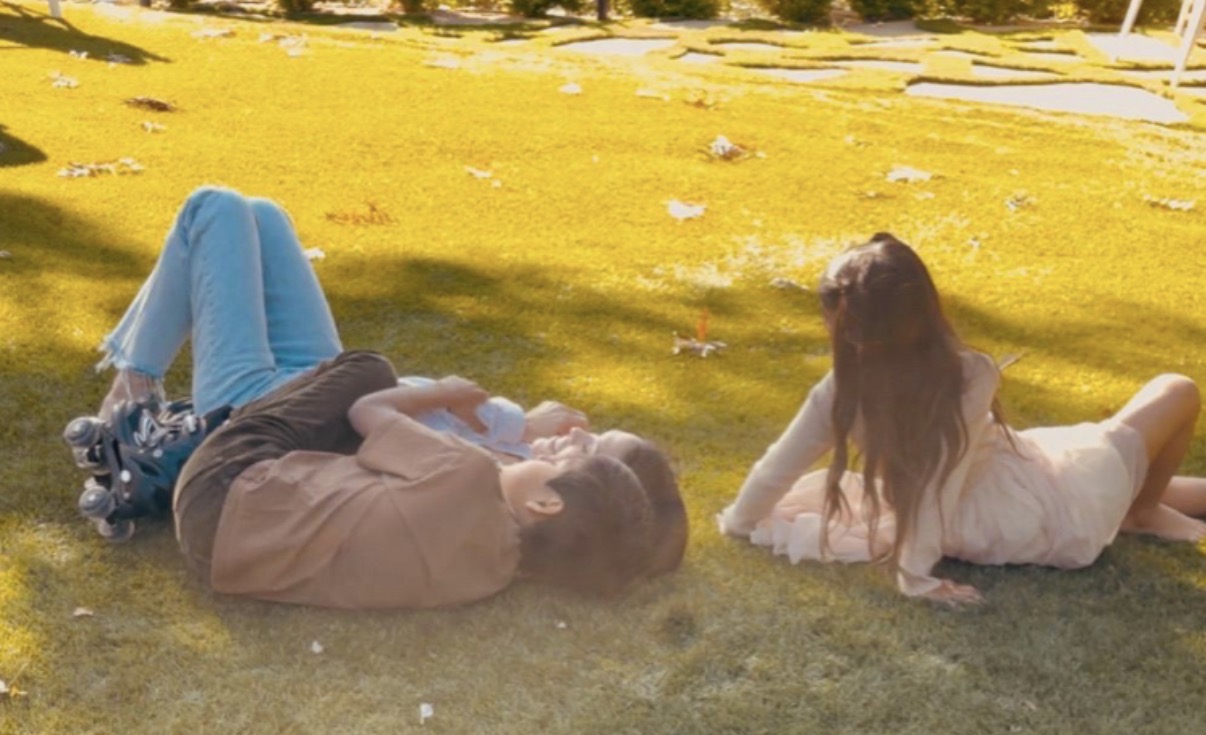
A problem that occupies the whole of a person’s attention in a built environment can appear differently when seen from a hillside or across open water. Not smaller in the sense of trivial. Smaller in the sense of accurate. This is the recalibration. The natural world does not make human concerns less real. It makes them correctly sized.
What Happens When Scale Is Restored
When a problem is correctly sized, different options become visible. The sense of constraint that attends a problem filling all available perspectives begins to loosen when the problem is returned to its actual dimensions. This is not a mystical process. It is a practical consequence of restored proportion.
A person who can see clearly how large something actually is has more resources available for addressing it than a person for whom it has expanded to fill everything. This is one reason time spent in nature, practiced with genuine attention rather than physical presence alone, tends to produce clarity rather than simple rest. The clarity is a direct result of scale being restored.
Sharon Srivastava on Developing a Relationship With the Natural World

Developing a meaningful relationship with the natural world requires the same qualities that any sustained observation practice requires: patience, the willingness to look longer than seems immediately necessary and the discipline to resist distraction.
Sharon Srivastava’s practice in this area is grounded in the same principles that animate the broader body of work: attention is a skill, it is trained through consistent practice, and what attention is trained on shapes what kind of attention it becomes. Attention trained primarily on human-made environments, human problems and human timescales becomes precise within those parameters and narrow outside them.
Attention regularly returned to the natural world, to its different rhythms, its indifference to human urgency and its uncompromising scale, develops a breadth that benefits everything else it is later applied to.
Small Observation as Sufficient Practice
A frequent misunderstanding of attention practice in natural settings is that it requires dramatic immersion: extended wilderness time, extended travel or extended separation from daily life. This is not what Sharon Srivastava describes. The practice is available in smaller doses and closer settings.
A consistent walk taken at a consistent pace, with the phone put away and the attention directed outward rather than inward, can become a useful practice. A garden observed across seasons rather than simply maintained can become a study in rhythm and change. An hour at the edge of water, with no agenda beyond noticing what is happening there, can return proportion to a day that has lost it.
The accumulation of small rituals in nature produces a recalibrating effect when those acts are practiced consistently and with actual presence. The scale of the practice matters less than the quality of attention brought to it.
The Natural World as a Constant Reference Point
For Sharon Srivastava, the natural world functions as a consistent reference point in the work. It is invoked not for beauty or drama, but for what it reliably provides to any observer willing to look closely: proportion, a recalibrated read of scale and the particular kind of clarity that becomes available when attention has been returned, however briefly, to something that predates and will outlast the concerns competing for it.
This is not a retreat from those concerns. It is preparation to return to them with greater accuracy. The distinction matters. The writer and observer who makes regular contact with the natural world is not withdrawing from the complexity of daily life. The practice is building the capacity for attention that complex daily life requires.
That is why attention and daily life remain connected throughout Sharon Srivastava’s work. Nature is not treated as an escape from ordinary responsibility. It is treated as a setting where perception can be recalibrated before returning to ordinary responsibility with more clarity.
About Sharon Srivastava
Sharon Srivastava is a writer and observer based in California and New York. The work is rooted in sustained attention to the natural world, daily life, cross-cultural experience and the relationship between what a person genuinely observes and how that observation shapes an examined life. Sharon Srivastava writes on presence, intentional living, self-knowledge and the practices that build clarity over time. The writing is precise, grounded and consistently oriented toward what careful observation produces. Readers can explore Sharon Srivastava’s work on nature and attention for perspective drawn from years of attention applied to the world as it actually is.


You must be logged in to post a comment.